
Building Code Updates Shaping 2026 Projects in MA & RI
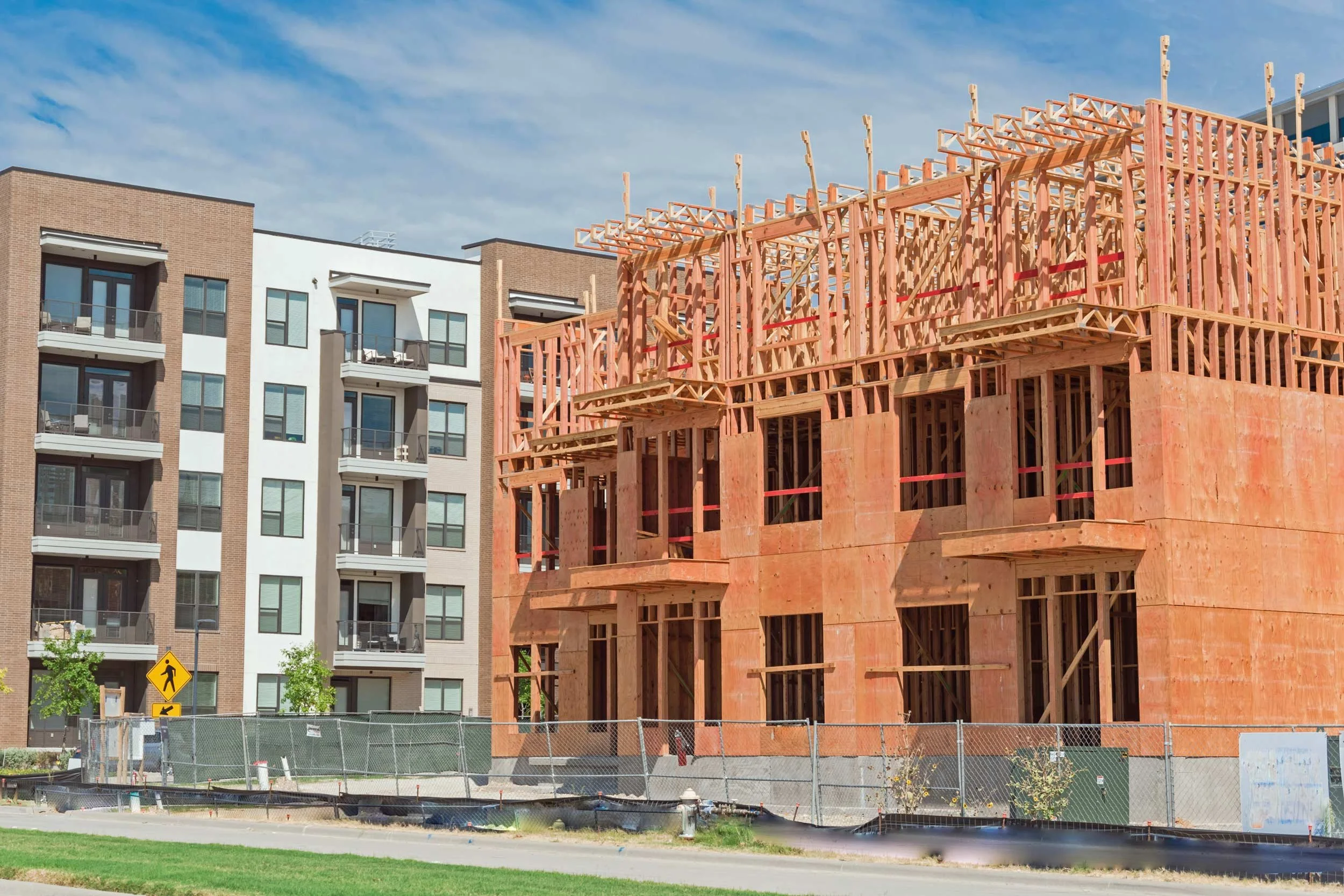
2026 Massachusetts and Rhode Island Building Code Updates
As the construction industry moves toward 2026, building codes are evolving at an accelerated pace—driven by sustainability goals, climate resilience, energy performance, and lifecycle accountability. In Massachusetts and Rhode Island, these building code updates are not theoretical; they are actively influencing how projects are designed, permitted, reviewed, and inspected today. Understanding how national model codes are being adopted, amended, and enforced at the state and local level is now critical to project success.
This article outlines the most impactful regulatory trends affecting 2026 construction projects and explains how proactive code compliance strategies can reduce risk, control costs, and streamline approvals.
What’s New in the Recent IBC, IRC, and IECC Cycles
The latest editions of the IBC, IRC, and IECC emphasize performance, documentation, and accountability more than ever before. While Massachusetts and Rhode Island adopt model codes on different timelines, both states continue to layer amendments that raise the bar for energy efficiency, life safety, and durability.
Key areas of change affecting current projects include:
Enhanced energy performance requirements for building envelopes, mechanical systems, and lighting
Expanded commissioning and testing expectations, particularly for commercial and multifamily buildings
Greater coordination between architectural, structural, MEP, and energy documents
Stronger emphasis on special inspections and third-party verification
Even when a project is permitted under a “current” code edition, inspectors are increasingly evaluating designs through the lens of upcoming performance standards—especially for long-duration or phased developments extending into 2026.
Energy, Emissions, and Waste Reduction Are Reshaping Compliance
Massachusetts and Rhode Island are both advancing aggressive climate and sustainability policies that directly influence building code enforcement. Energy codes are no longer limited to insulation values and equipment efficiency; they now intersect with emissions reduction, electrification strategies, and construction waste management.
Common compliance challenges now include:
Navigating electrification-friendly designs while maintaining code-compliant backup and resilience
Coordinating energy code, stretch code, and local amendments
Managing material selection and construction waste expectations
Aligning permit documents with energy modeling assumptions used during design
For owners and contractors, the risk lies in treating these requirements as secondary. In practice, energy and emissions compliance is often where permit reviews stall, inspections fail, or occupancy is delayed.
The Rise of Performance-Based Code Provisions
One of the most significant shifts in modern code enforcement is the growing acceptance—and scrutiny—of performance-based compliance paths. Rather than prescriptive checklists, jurisdictions are increasingly open to alternative methods that demonstrate equivalent or superior performance.
In Massachusetts and Rhode Island, this trend is most visible in:
Energy code trade-offs and modeled compliance paths
Structural performance in adaptive reuse and existing building upgrades
Fire and life safety equivalencies in complex or mixed-use buildings
While performance-based approaches offer flexibility, they also demand a higher level of technical justification, documentation, and coordination with the Authority Having Jurisdiction. Projects that pursue these paths without a clear compliance narrative often face extended reviews and inconsistent interpretations during inspection.
How Inspectors Are Implementing Recent Building Code Updates
Recent code updates are not being enforced in a vacuum. Inspectors across both states are adapting to evolving standards while balancing safety, constructability, and administrative clarity.
What we are seeing in the field includes:
Increased reliance on written code analyses and narratives
Closer review of energy documentation at both permit and final inspection
More frequent requests for clarifications, revisions, and professional certifications
Greater consistency when projects proactively address code intent rather than minimum text
Successful projects anticipate these expectations early—before permit submission—rather than reacting to them during construction.
Why This Trend Matters for 2026 Projects
Codes are no longer static rulebooks; they are dynamic tools shaping how buildings perform over decades. For projects targeting 2026 completion, today’s decisions must account for future enforcement realities.
Early code strategy can:
Reduce redesign and resubmittal costs
Shorten permit and inspection timelines
Improve coordination between designers, contractors, and regulators
Protect long-term building value and operability
Partner with Elite Building Code Consulting
Elite Building Code Consulting helps owners, developers, contractors, and design teams navigate the rapidly evolving regulatory landscape in Massachusetts and Rhode Island. Our services include proactive code analysis, energy and zoning coordination, performance-based compliance strategies, and direct support through permitting and inspections.
Planning a 2026 project? Engage Elite Building Code Consulting early to ensure your project is compliant, resilient, and positioned for approval—without costly surprises. Turn regulatory complexity into project confidence.
Contact Elite Building Code Consulting today to get started.
Did you like this article?
Receive valuable information on building code compliance delivered to your inbox.